Choosing the Right Stock for Your Project
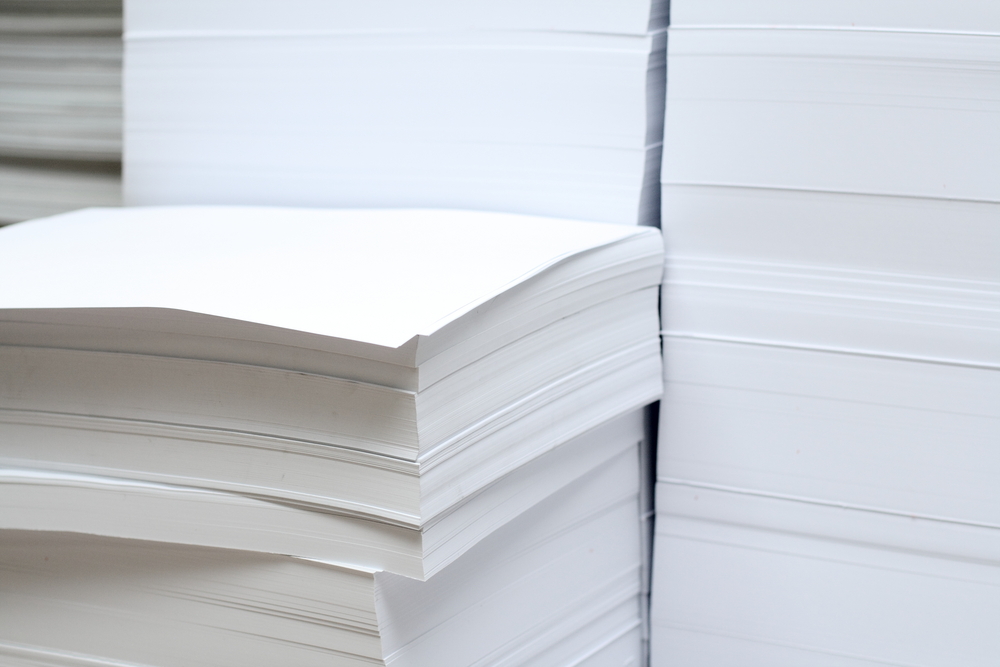
In the digital age, where screens dominate our daily lives, the tactile experience of a beautifully printed piece stands out more than ever. The weight, texture, and finish of paper can elevate a simple brochure into a memorable brand statement or transform a business card from a mere contact detail into a representation of professionalism. Yet, often overlooked, the art of paper selection is a critical component in the success of any print project.
Choosing the right paper stock isn’t just about aesthetics; it impacts durability, print quality, cost, and ultimately, the message your brand conveys. Here’s a guide to navigating the world of paper and selecting the perfect foundation for your next printing endeavor.
1. Understanding the Basics: Weight, Coating, and Finish
Before diving into specific applications, let’s demystify the core characteristics of paper:
- Weight (GSM or lbs.): This refers to the paper’s thickness and density.
- GSM (grams per square meter): The most common metric globally. Higher GSM means thicker, heavier paper.
- Examples: 80-120 GSM (standard copy paper, flyers), 150-200 GSM (brochures, posters), 250-350 GSM (business cards, covers).
- lbs (Pounds): Primarily used in North America, with various “basis weights” that can be confusing. It’s generally easier to stick to GSM for clarity.
- Impact: Heavier paper often conveys quality and durability, while lighter paper is more economical for high-volume items like flyers or newsletters.
- GSM (grams per square meter): The most common metric globally. Higher GSM means thicker, heavier paper.
- Coating (Coated vs. Uncoated): This refers to a layer applied to the paper surface, usually to enhance print quality and durability.
- Coated Paper: Has a smooth, often glossy or satin surface. The coating restricts ink absorption, leading to sharper images, vibrant colors, and less ink bleed.
- Ideal for photographs, detailed graphics, and projects where color accuracy is paramount.
- Uncoated Paper: Has a more natural, porous surface that absorbs ink. It provides a softer, more subdued look and is easier to write on.
- Ideal for stationery, invitations, books, and anything requiring a more organic feel or where writing is expected.
- Coated Paper: Has a smooth, often glossy or satin surface. The coating restricts ink absorption, leading to sharper images, vibrant colors, and less ink bleed.
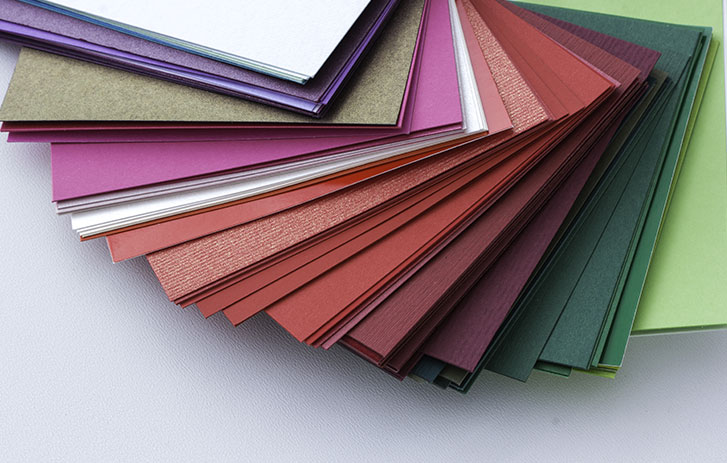
- Finish (Gloss, Matte, Silk/Satin, Uncoated Textures): This describes the surface texture and reflectivity of the paper.
- Gloss: Highly reflective, producing vibrant colors and a high-shine appearance. Can sometimes cause glare.
- Matte: Non-reflective, offering a smooth, dull finish. Colors appear softer, and it reduces glare.
- Silk/Satin: A popular middle ground, offering a subtle sheen that is less reflective than gloss but smoother than matte. Provides a luxurious feel.
- Uncoated Textures: Beyond basic uncoated, there are various textured papers like
- Linen: Mimics the look and feel of linen fabric.
- Felt: Soft, fibrous texture.
- Laid: Ribbed texture.
- Vellum: Slightly translucent, smooth, and crisp.
- Impact: Textures add a tactile dimension, enhancing the perceived value and unique character of the printed piece.
2. Matching Paper to Your Project and Brand
The perfect paper stock is one that complements your design, reinforces your brand identity, and serves the practical purpose of the printed item.
- Business Cards: This is your first tangible impression. Heavy, premium stocks (300-350 GSM or higher) with a unique finish (silk, matte, or even textured) convey professionalism and quality. Consider special effects like spot UV or foiling for added impact.
- Brochures and Flyers:
- Informational Flyers (high volume): Lighter weight (120-150 GSM) coated stocks are economical and ensure good image reproduction.
- Premium Brochures (showcasing services/products): Heavier weights (170-250 GSM) with a satin or matte finish elevate the perceived value.
- Posters: Depending on the intended display (indoor/outdoor, framed/unframed), weights can vary. For vibrant graphics, a coated stock is usually preferred. For art prints, a heavier matte or archival paper is ideal.
- Invitations and Stationery: Uncoated or subtly textured papers (linen, felt) are popular for their elegant, classic, and personal feel. They are also easy to write on. Weight generally ranges from 250-350 GSM for invitations to 100-120 GSM for letterheads.
- Magazines and Catalogs:
- Covers: Heavier coated stock (200-300 GSM) for durability and visual appeal.
- Interior Pages: Lighter coated stock (90-150 GSM) is common for cost-effectiveness and ease of handling.
- Books:
- Covers: Often heavier cardstock, sometimes with a laminate for durability.
- Interior Pages: Uncoated “book paper” (80-100 GSM) is standard for readability and ease of turning pages. Cream-colored paper can be easier on the eyes than bright white.
- Packaging: Requires specialized stocks that can withstand handling, creasing, and sometimes moisture. Board stocks (cardboard, paperboard) are designed for structural integrity. The finish can range from matte to high gloss, depending on the desired brand image.
3. Practical Considerations
- Budget: Premium papers come at a higher cost. Balance your desired aesthetic with your financial constraints.
- Durability: For items that will be handled frequently (menus, loyalty cards), heavier stock or laminating/coating is crucial.
- Writability: If your item needs to be written on (forms, postcards), an uncoated stock is essential.
- Environmental Impact: Look for recycled content, FSC (Forest Stewardship Council) certified papers, or papers from sustainable sources to align with eco-conscious brand values.
- Printability: Ensure the paper choice is compatible with the printing method (e.g., some specialty papers might not work well with all digital presses).
The Ewan Printing Difference
At Ewan Printing, we understand that paper is more than just a surface; it’s an integral part of your message. Our experienced team can guide you through the vast array of paper stocks available, helping you select the perfect weight, coating, and finish to achieve your project’s goals. Whether you’re aiming for luxurious elegance, vibrant impact, or robust durability, we’ll ensure your printed materials not only look exceptional but also feel right in the hands of your audience. Don’t underestimate the power of paper—let us help you master this art.
The most trusted and quality printing company, with excellent customer service. Best Quality Printing in Dubai
#EWANPRINTING
WhatsApp/Call us:
Arabic: 055 5771552
Arabic & English: 056 5071752 – (Send Query) https://wa.me/message/ZCPEMGR67ZD6G1
English | Urdu | Hindi: 050 508 6855
For latest offers
Email: printingewan@gmail.com
Location: Shop 26 and 28, Al Nasiriya Building, 247 Damascus Street, Al Qusais Industrial Area 1, Dubai, UAE
Leave a Reply